Wire parts, commonly referred to as wire forms, are formed from wire that has been manipulated in some fashion into a specific shape or design. After the wire has been formed from raw materials, it is then further fabricated to create various wire parts. Read More…
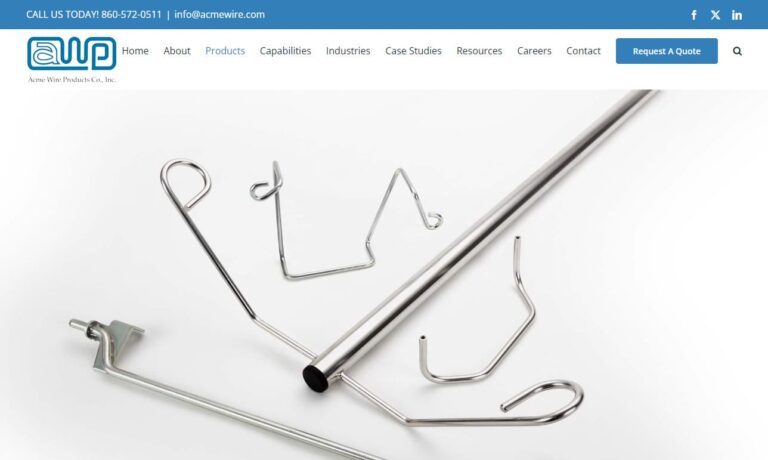
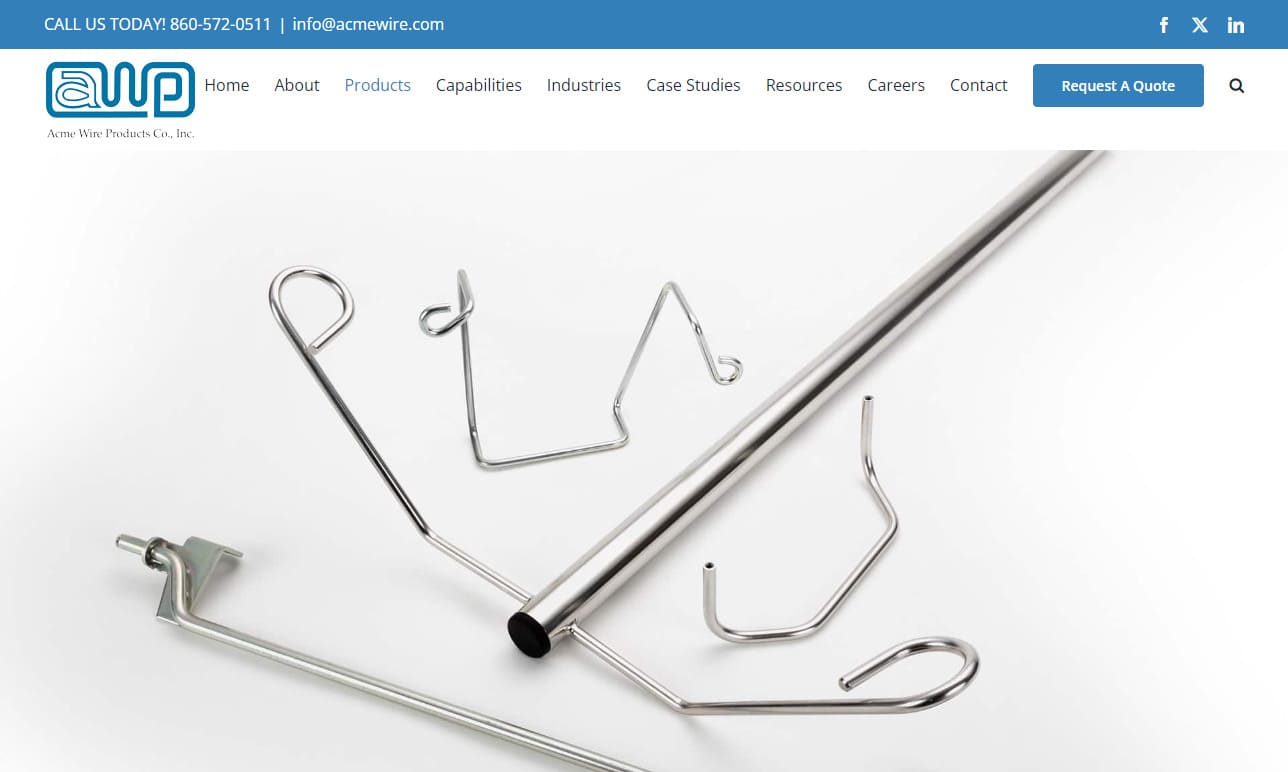
Acme Wire Products provides close tolerance wire fabrications using steel and stainless steel. Customized applications include a wide range of wire forms for many different applications. Acme works with wire from .050 to .500 diameter.
Master Spring & Wire Form specializes in small to medium wire form orders, as wire form manufacturers with over 75 years of experience. Secondary wire forming operations offered include grinding, threading and chamfering. As one of the industry’s leading wire formers, Master Spring & Wire provides wire forms for diverse applications including fitness equipment, POP displays and pinball machines.
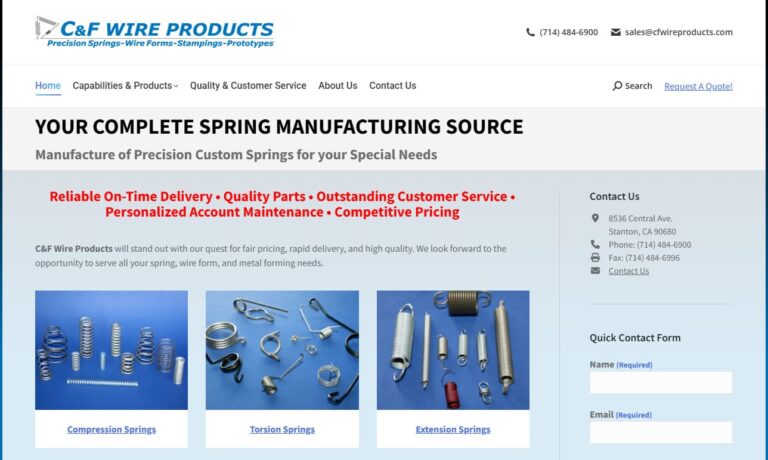
C&F Wire Products is a leading manufacturer of wire-formed products that has been in business for over 40 years. We are a family-owned and operated company that takes pride in our products and services. Our state-of-the-art facility is equipped with the latest technology and equipment to produce high-quality wire products that meet our customers' needs.
At Action Spring Co., we have built our reputation on delivering precision-engineered wire forms that meet the exact needs of our customers across a wide range of industries. We take pride in designing and producing custom wire forms that serve as critical components in countless applications, from simple shapes to highly complex configurations.
At Sterling Spring LLC, we specialize in precision wire forming, delivering high-quality custom solutions tailored to meet the unique needs of our customers. With decades of experience, we leverage advanced manufacturing techniques and state-of-the-art equipment to produce complex wire forms with exceptional accuracy and consistency.

More Wire Part Manufacturers
 Wire Parts - Active Wireworks
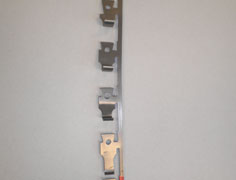
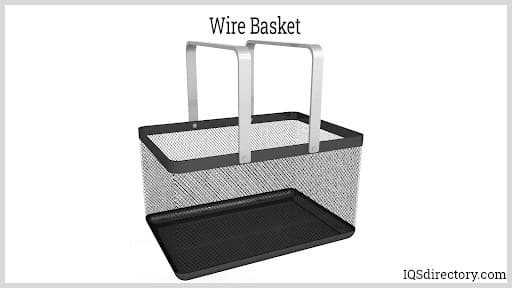
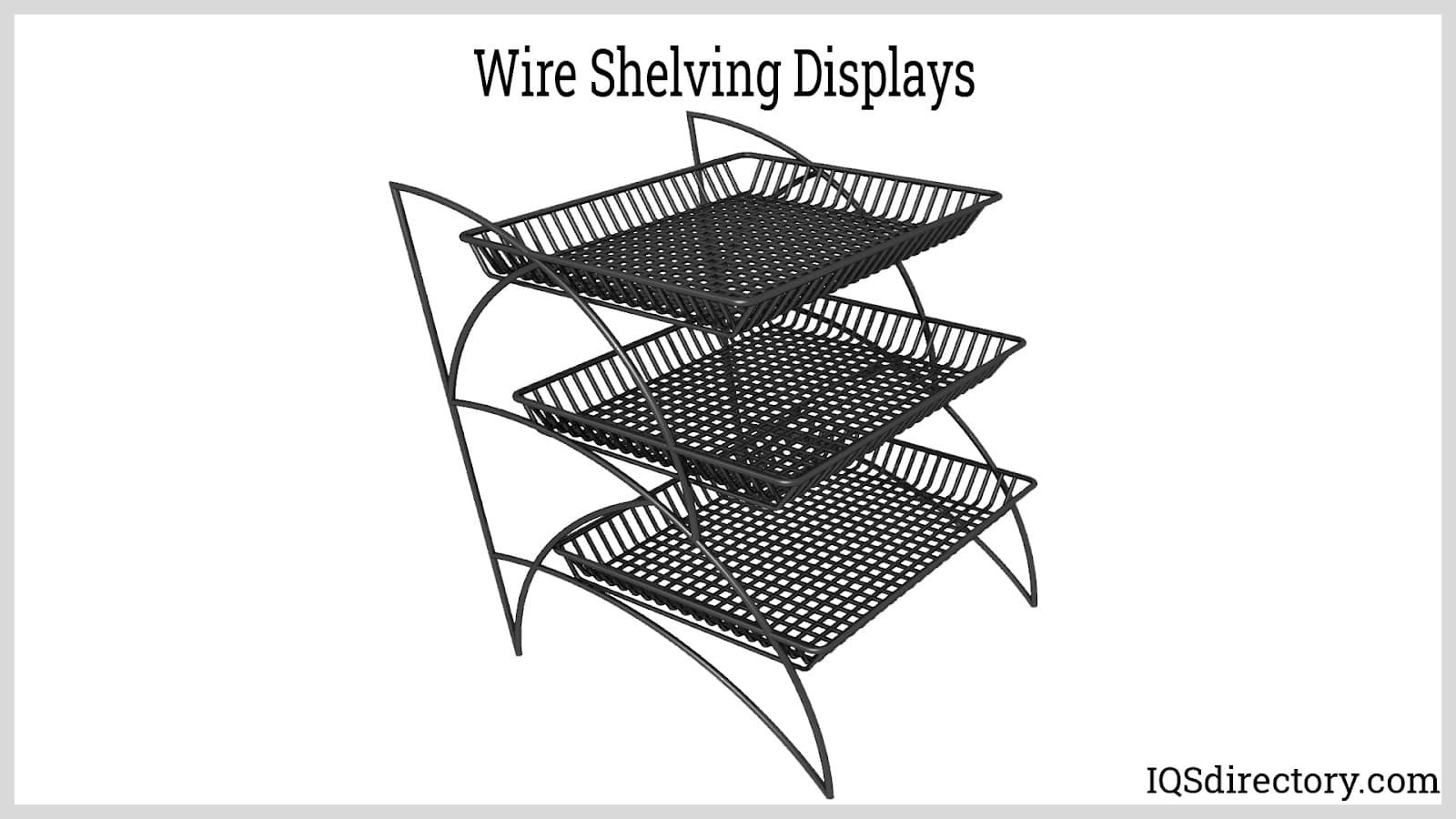
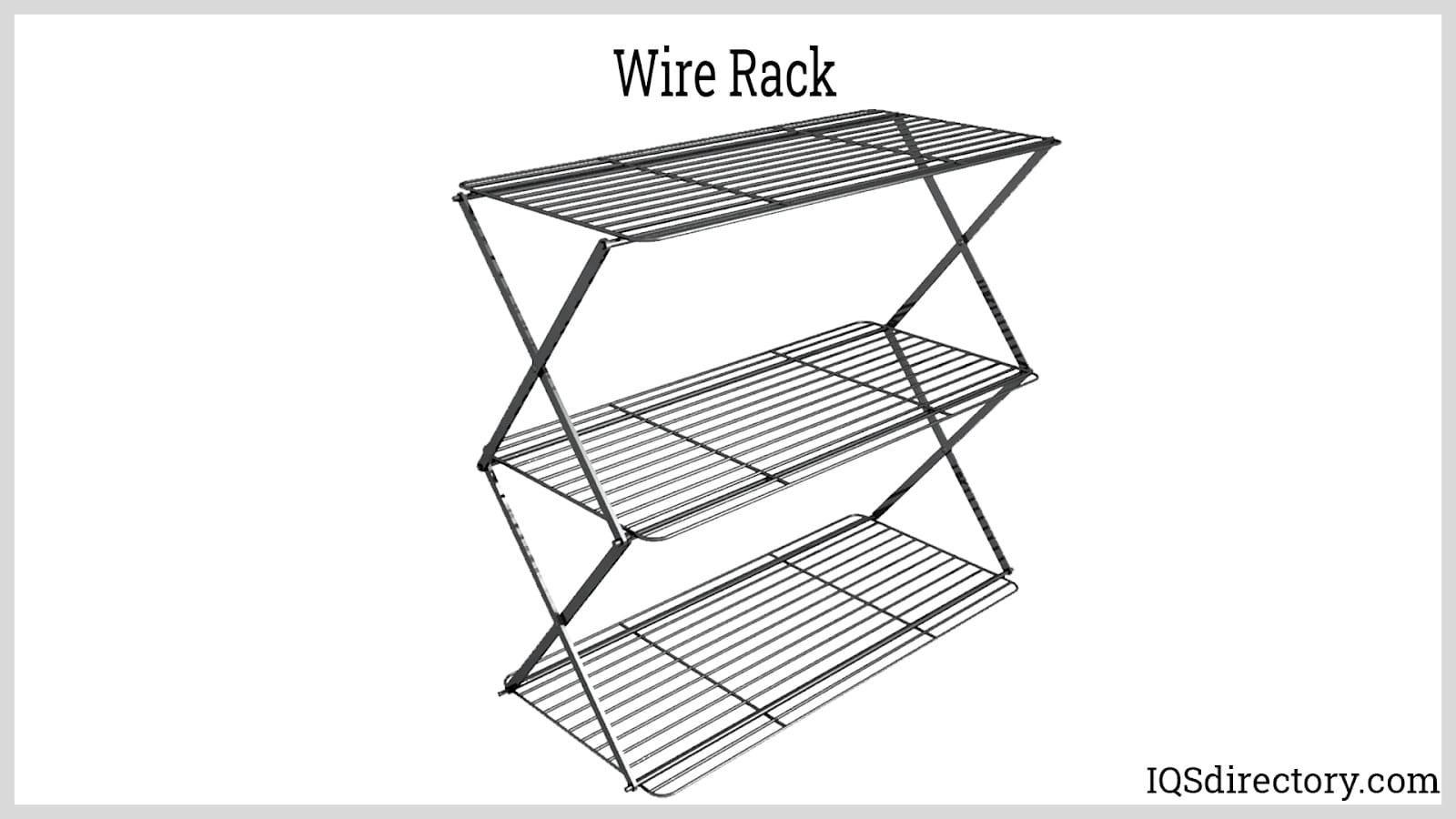
Useful in a broad range of applications, wire parts are beneficial for many industries because of their durability and conductivity as well as their versatility. Some of the many applications of wire parts include: wire grids, racks, POP displays and shelving, which are commonly used in retail, commercial and residential industries; wire light guards, DIN rails, wireways and cable trays, which are often utilized in the electronics industry; wire brackets, busbars and gratings that are used in construction and architectural industries; and wire motor mounts, machine guards, wire baskets and screens, for the industrial manufacturing industry.
 Wire Parts - Active Wireworks
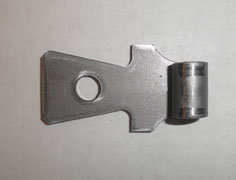
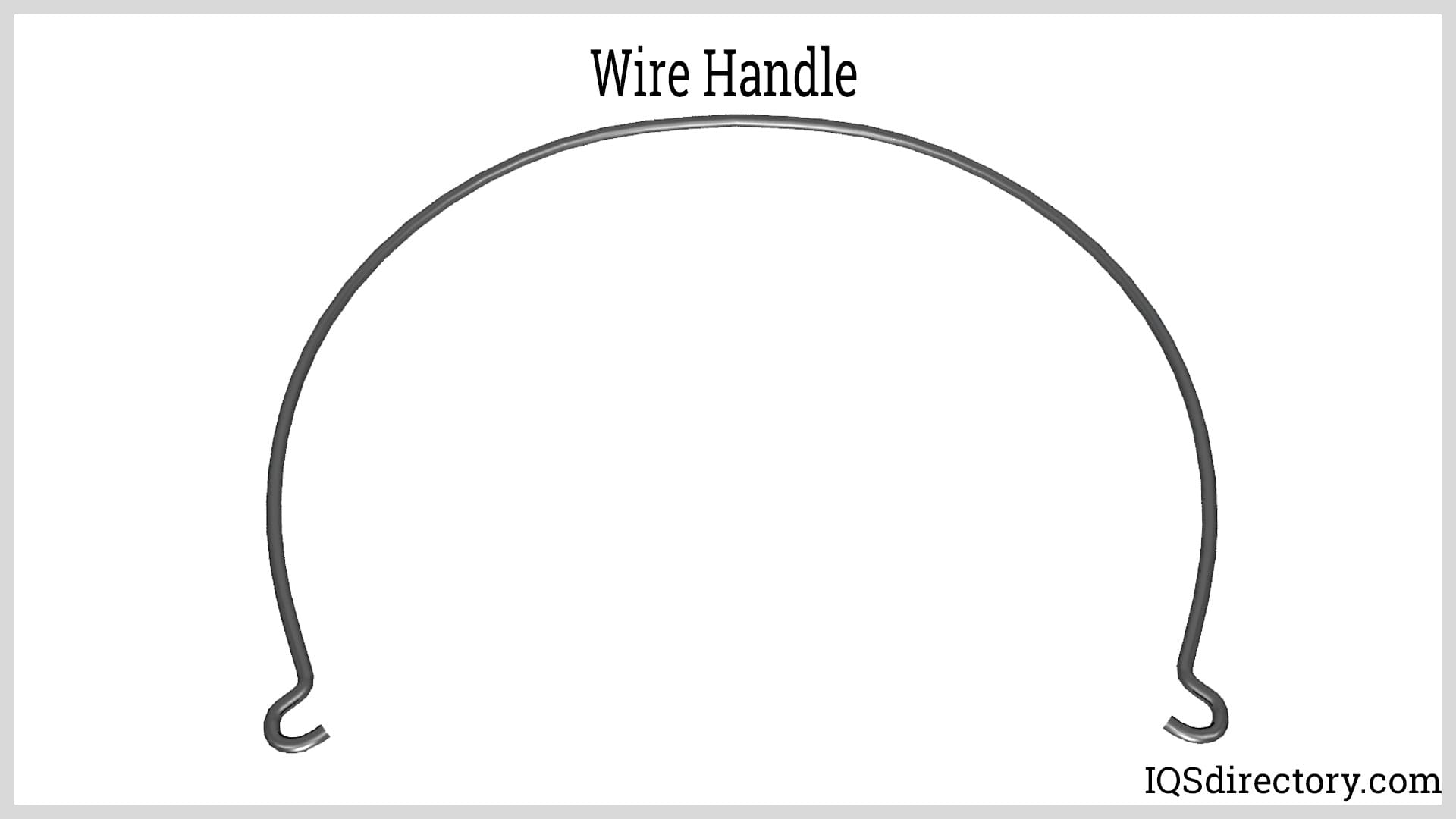
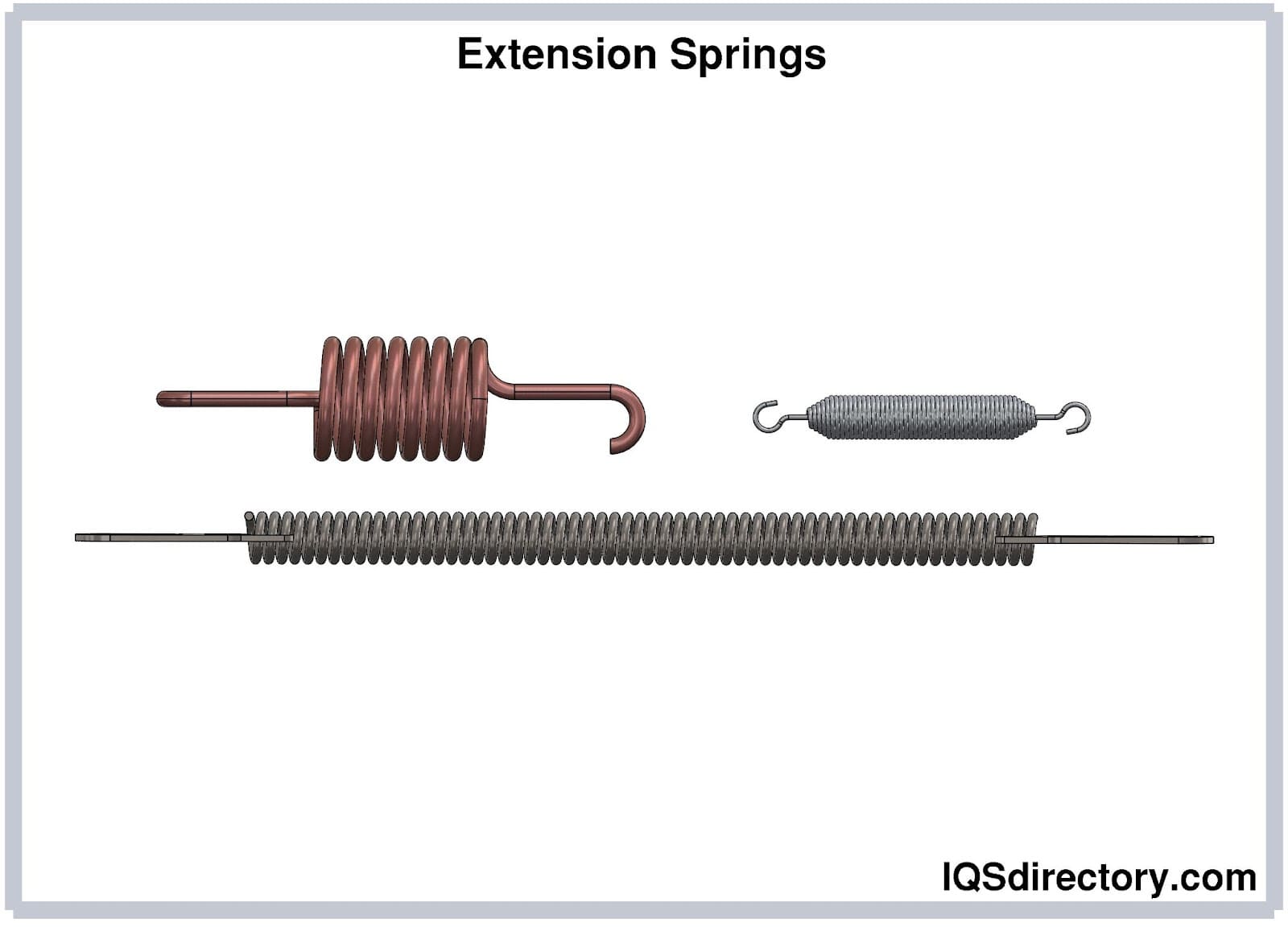
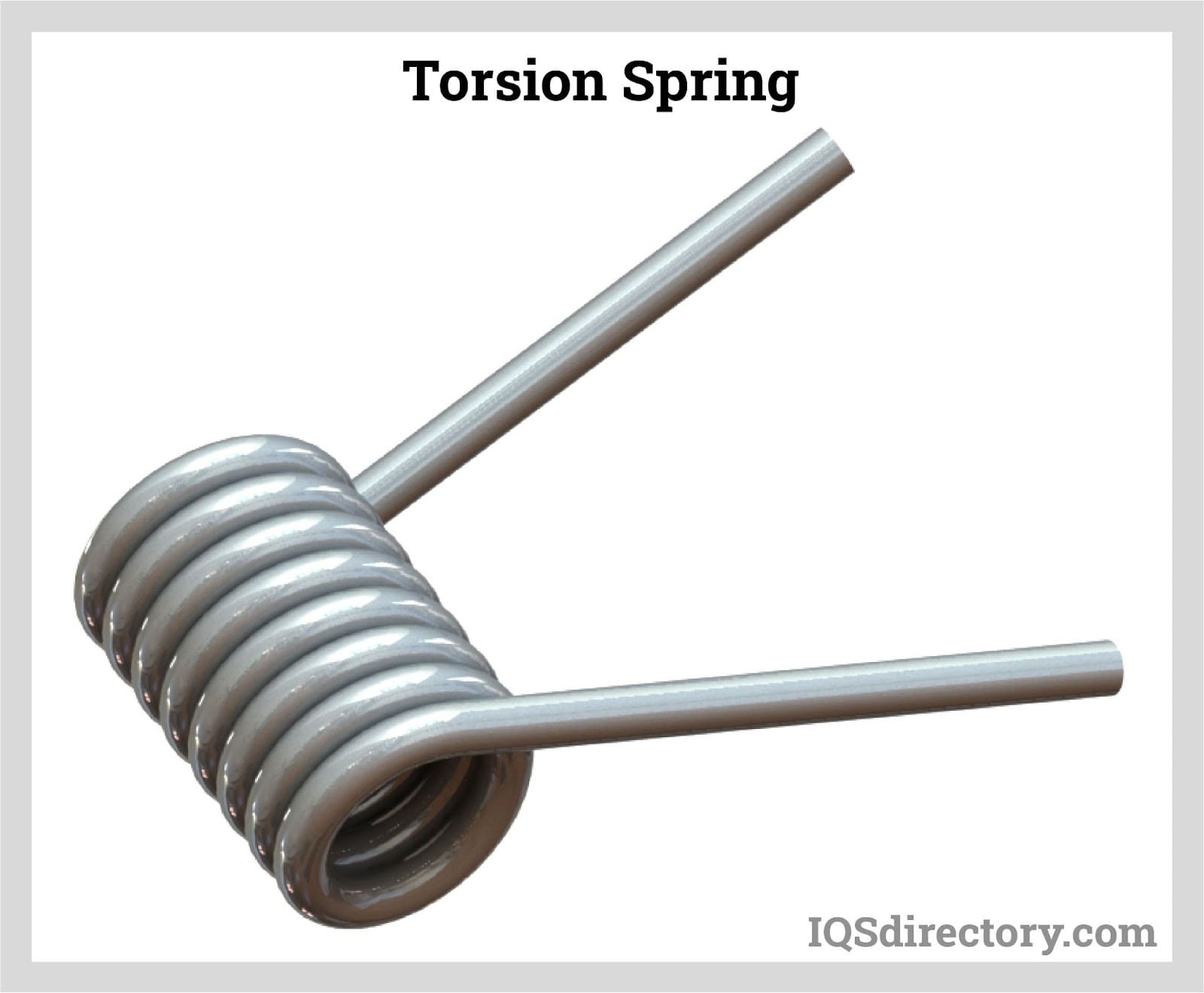
Also useful in the automotive and aerospace industries, additional wire parts include grilles, coils, clips, hooks, rings, fasteners, hangers and springs. In addition to the many shapes and designs, wire parts can be made with a wide range of materials, chosen for their suitability in certain applications. Commonly made from steel or stainless steel, both metals suitable for corrosive environment, wire parts can also be made from plastics, aluminum, brass, copper and various metal alloys.
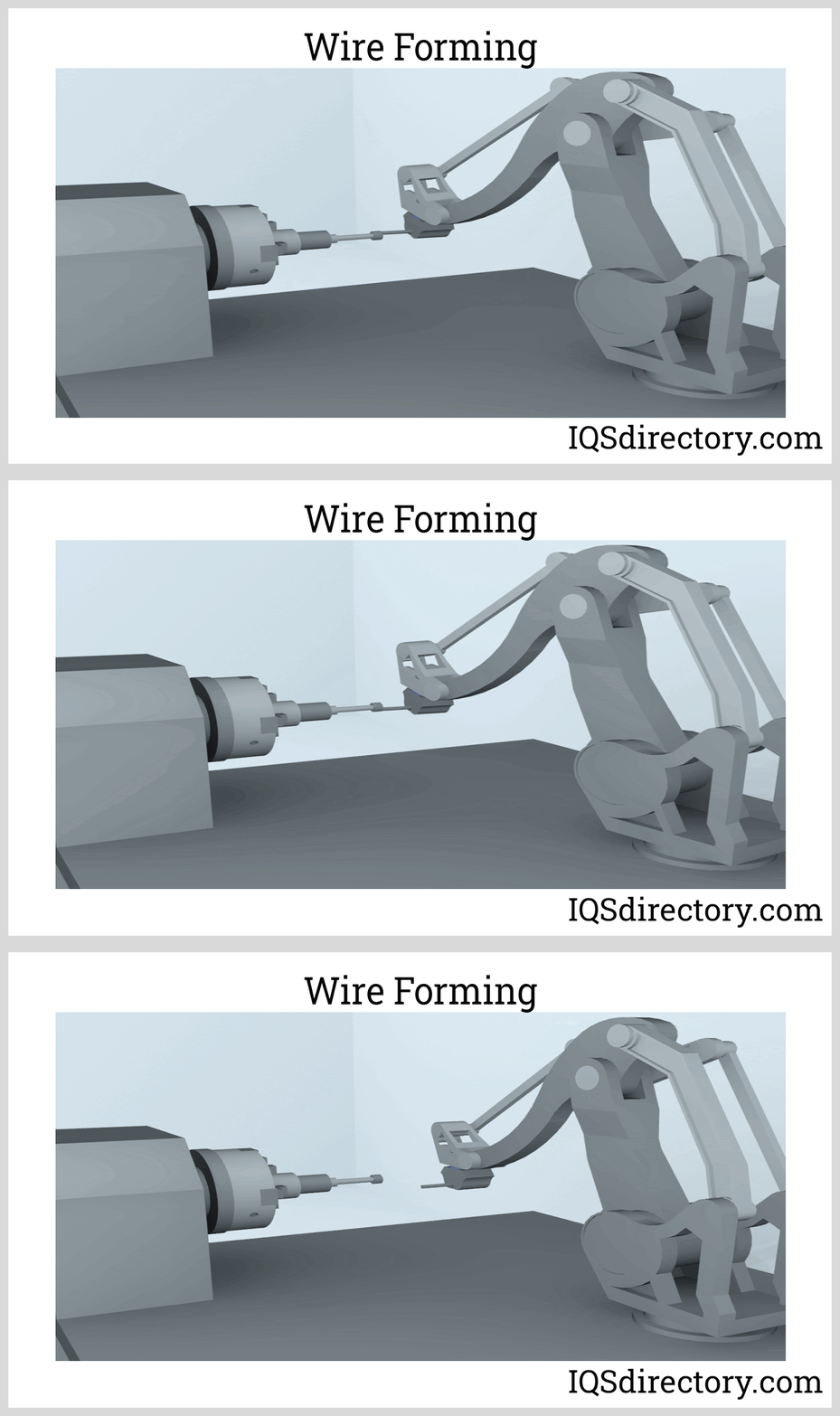
In accordance with the vast range of wire parts, there are numerous wire forming processes used to create them. Some of the more common wire forming processes include metal stamping, roll forming, CNC wire forming, weaving and welding. Metal stamping processes involve using a stamping press to form flat metal wire into precisely shaped metal parts. Popular metal stamping processes for wire forming include deep drawing, short run and fourslide. Roll forming is another major wire forming process, able to create flat, round and shaped wire parts.
A continuous process, roll forming uses calenders and die punches to shape metal wire into various forms. CNC wire forming processes utilize computer controls in order to ensure a higher level of precision than with other processes; thus, CNC wire forming can include other wire forming processes such as bending or welding but are altered due to the addition of CNC capabilities.
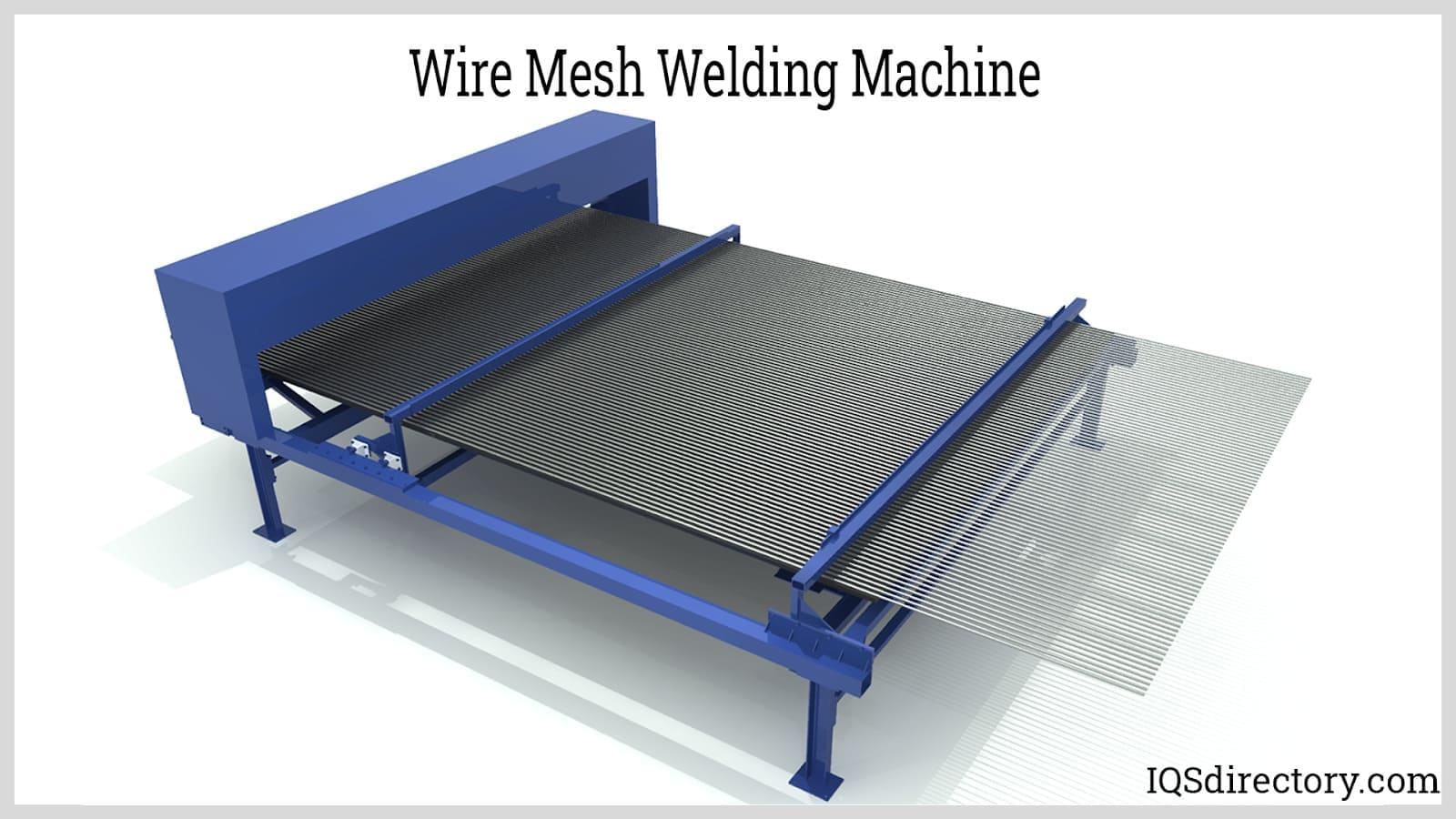
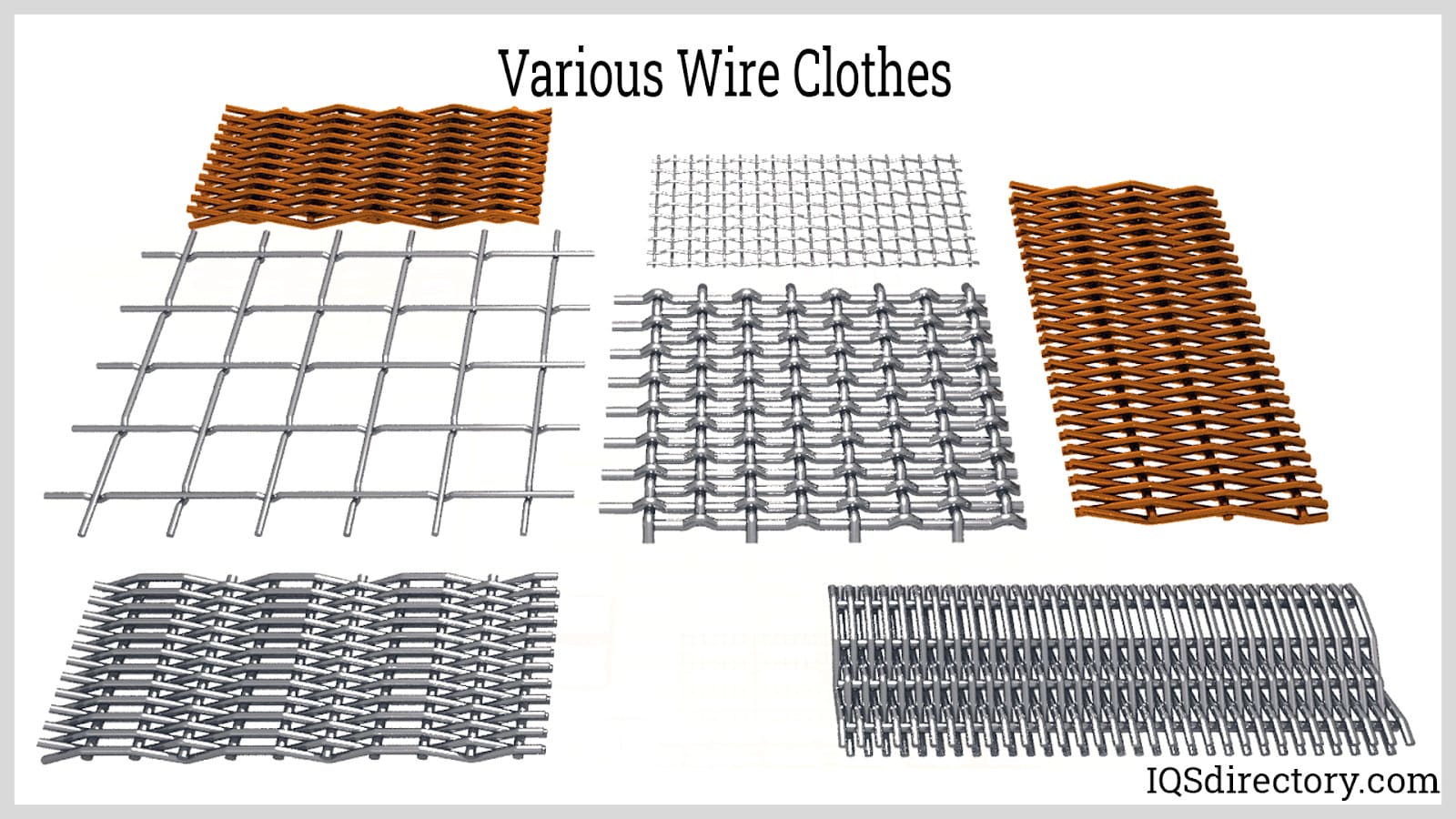
Weaving processes are simply methods of interlacing various threads into a pattern similar to a cloth, or on a larger scale with gaps such as a grid. Lastly, wire welding can refer to various processes, the most common of which are MIG welding or TIG welding. TIG welding is the most accurate type of wire welding, however it is much more complex and requires a very skilled operator as well as longer production times, so MIG welding is often used instead.
 Cold Headed Parts
 Expanded Metals
 Metal Spinning
 Powdered Metal Parts
 Roll Forming
 Springs
 Wire Forms
 Wire Mesh
 Castings & Forgings
 Bulk Material Handling
 Electrical & Electronic Components
 Flow Instrumentation
 Hardware
 Material Handling Equipment
 Metal Cutting Services
 Metal Forming Services
 Metal Suppliers
 Motion Control Products
 Plant & Facility Equipment
 Plant & Facility Supplies
 Plastic Molding Processes
 Pumps & Valves
 Recycling Equipment
 Rubber Products & Services