The technique of bending metal wire into useful components like springs, fasteners, and retaining rings is known as wire forming. The term “wire” generally refers to coilable, flexible metal strands. Wire can be flat or curved to have square, rectangular, or trapezoidal cross sections; however, the cross-section is typically round. Read More…
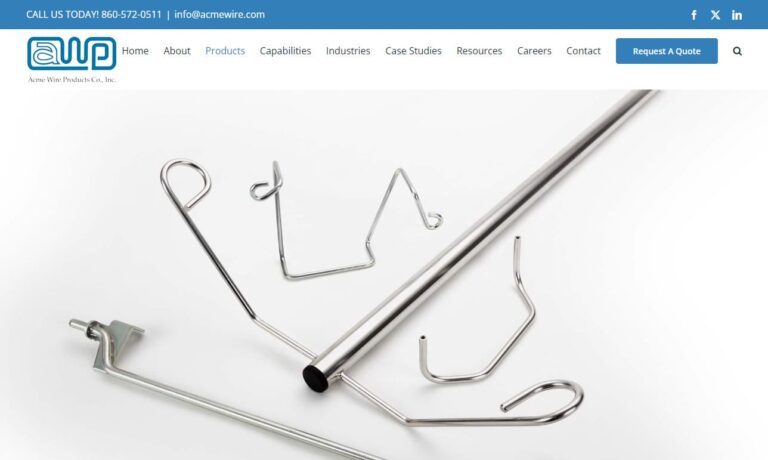
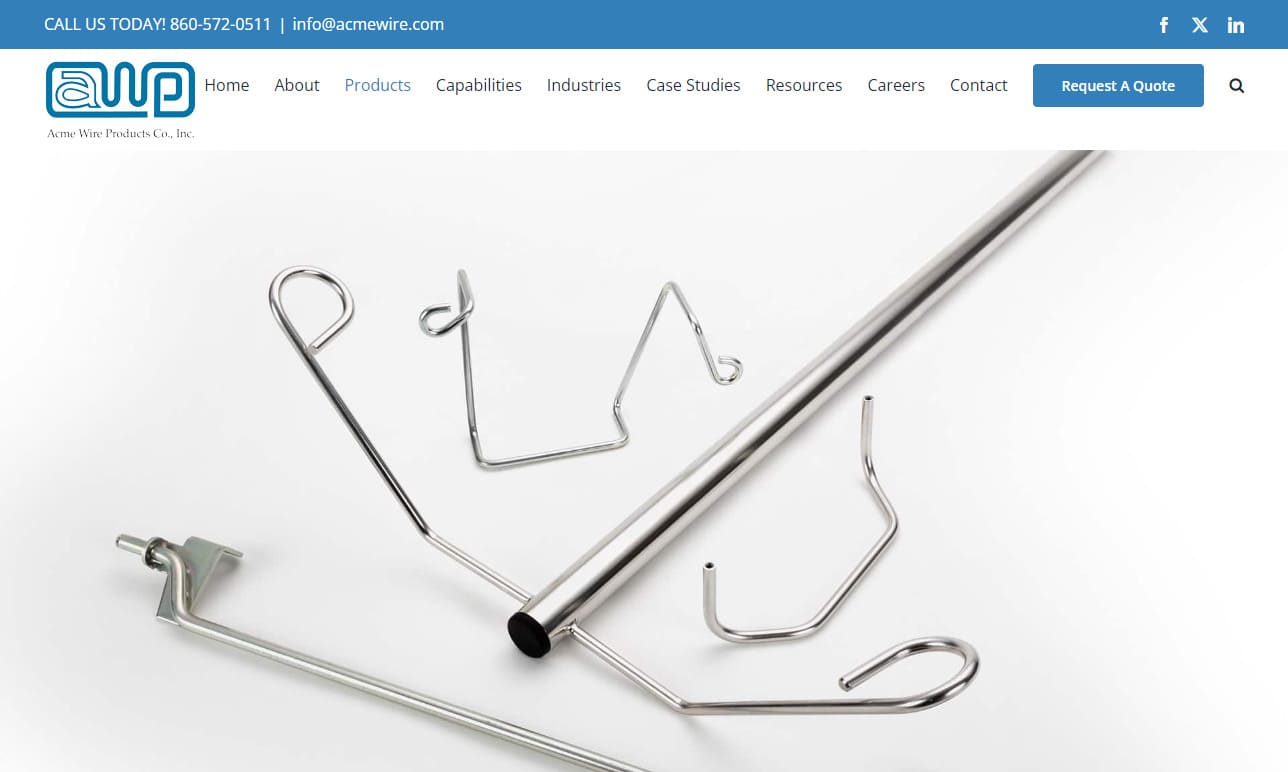
Acme Wire Products provides close tolerance wire fabrications using steel and stainless steel. Customized applications include a wide range of wire forms for many different applications. Acme works with wire from .050 to .500 diameter.
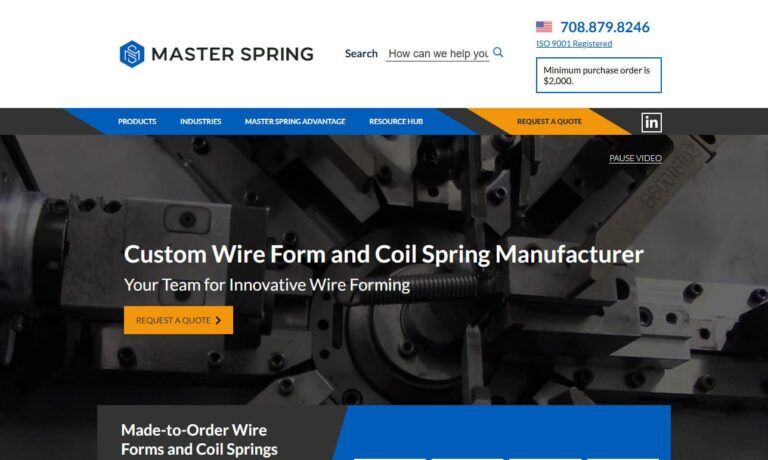
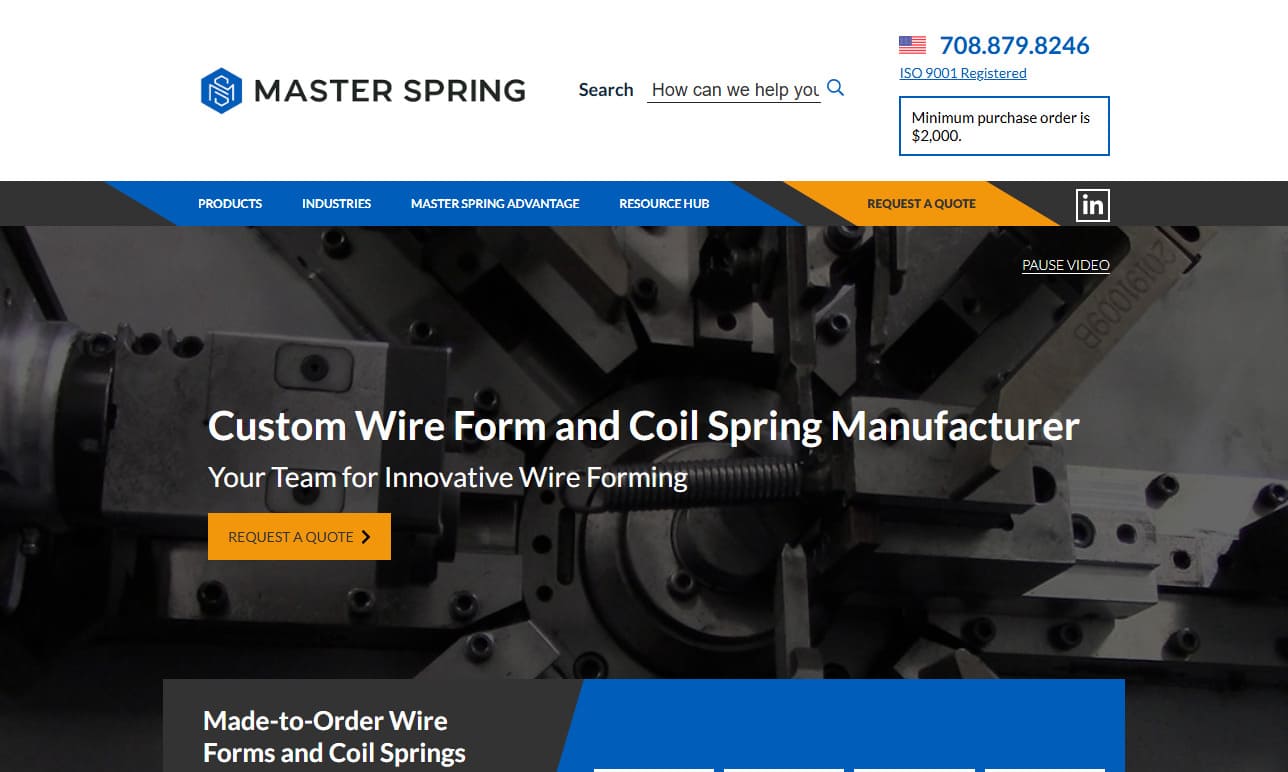
Master Spring & Wire Form specializes in small to medium wire form orders, as wire form manufacturers with over 75 years of experience. Secondary wire forming operations offered include grinding, threading and chamfering. As one of the industry’s leading wire formers, Master Spring & Wire provides wire forms for diverse applications including fitness equipment, POP displays and pinball machines.
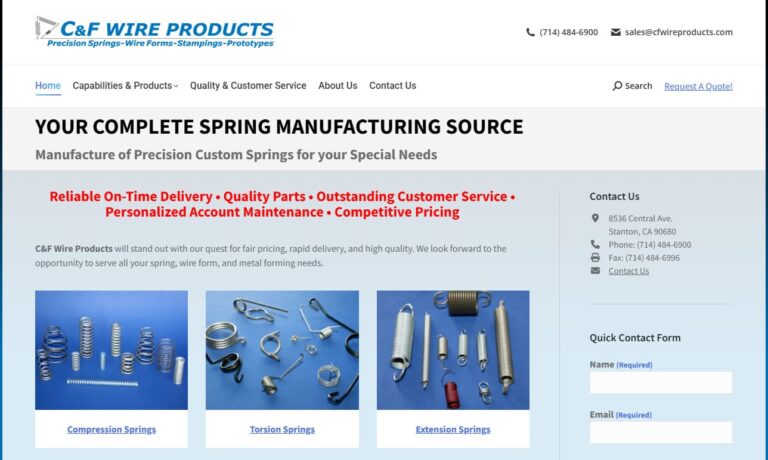
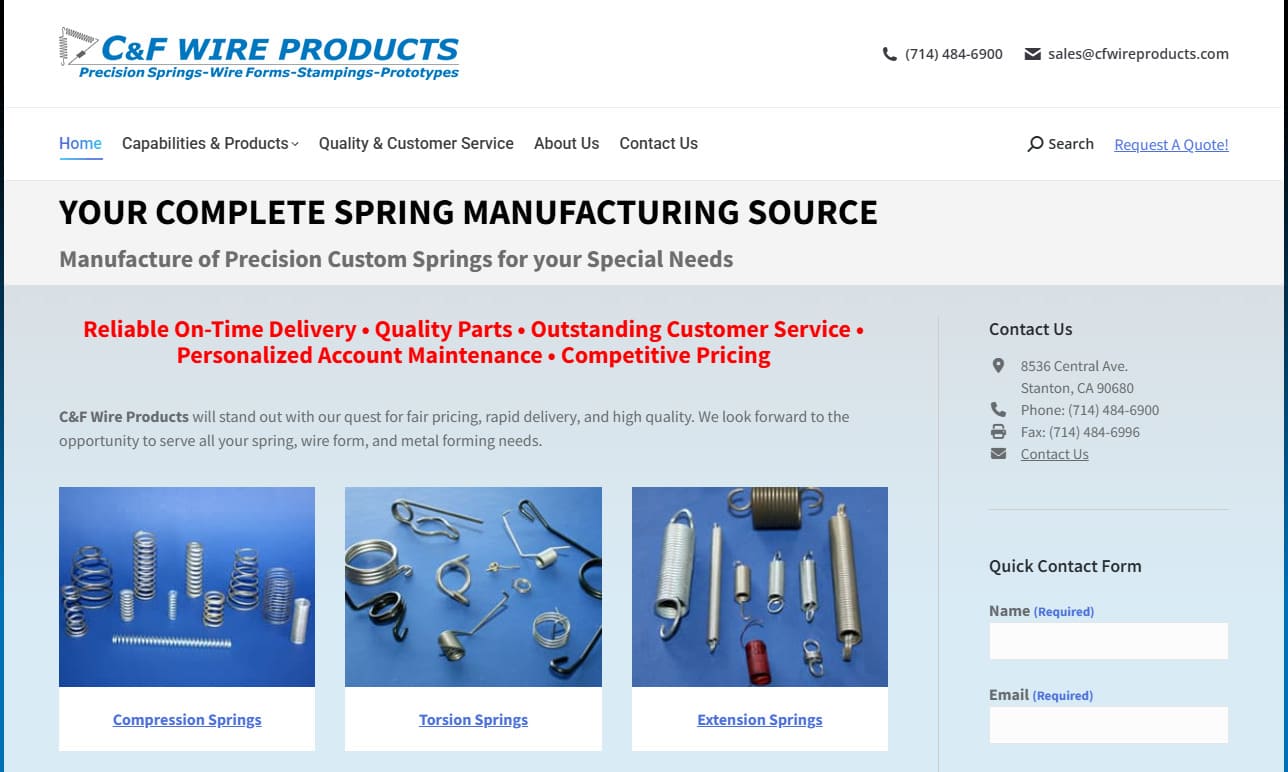
C&F Wire Products is a leading manufacturer of wire-formed products that has been in business for over 40 years. We are a family-owned and operated company that takes pride in our products and services. Our state-of-the-art facility is equipped with the latest technology and equipment to produce high-quality wire products that meet our customers' needs.
At Action Spring Co., we have built our reputation on delivering precision-engineered wire forms that meet the exact needs of our customers across a wide range of industries. We take pride in designing and producing custom wire forms that serve as critical components in countless applications, from simple shapes to highly complex configurations.
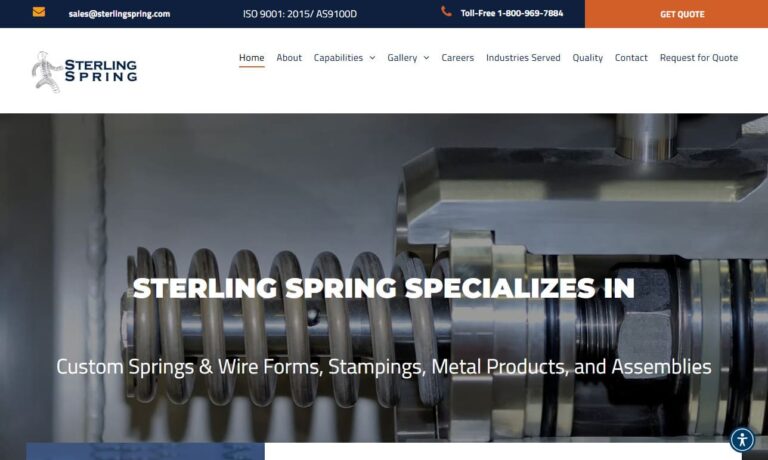
At Sterling Spring LLC, we specialize in precision wire forming, delivering high-quality custom solutions tailored to meet the unique needs of our customers. With decades of experience, we leverage advanced manufacturing techniques and state-of-the-art equipment to produce complex wire forms with exceptional accuracy and consistency.

More CNC Wire Forming Manufacturers
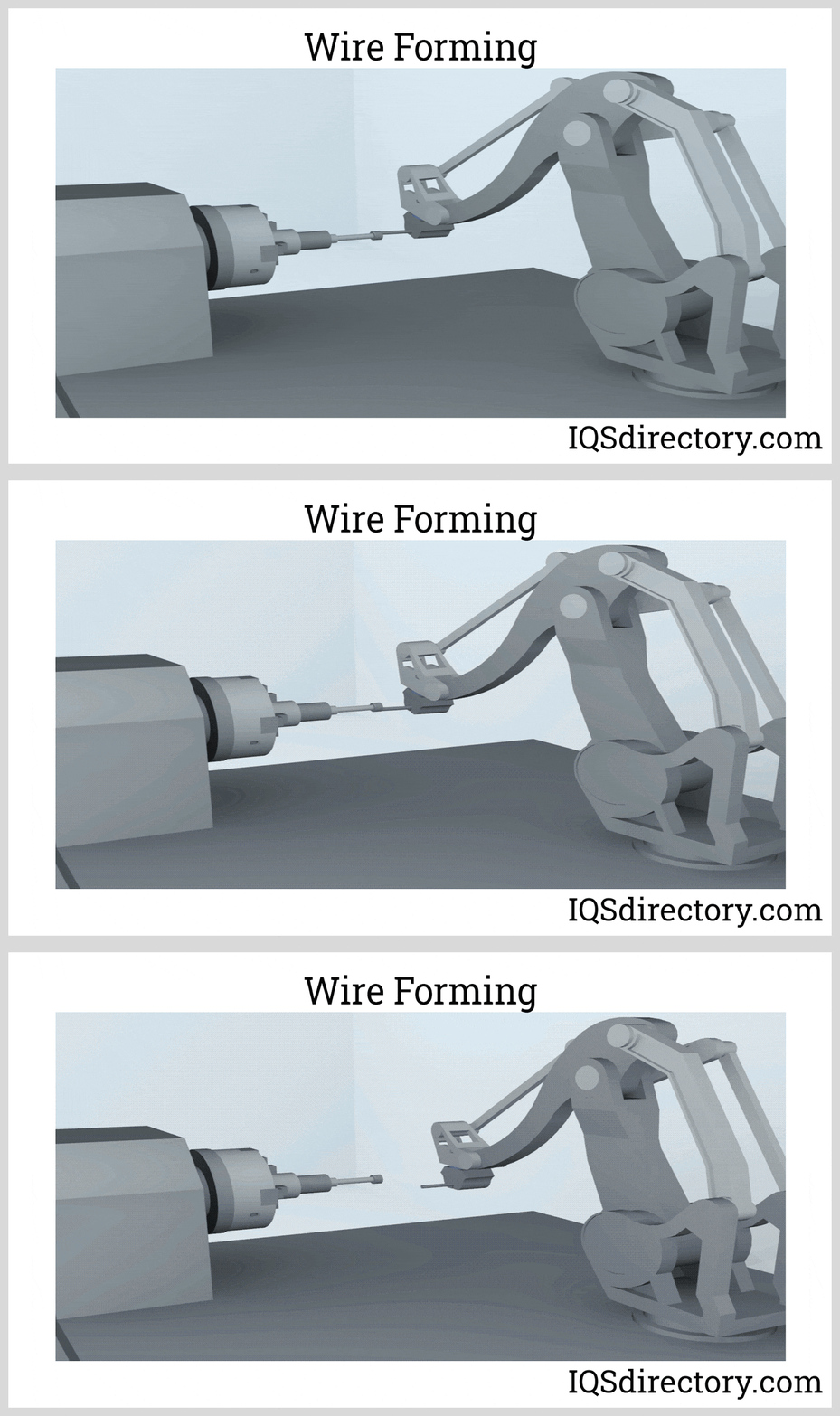
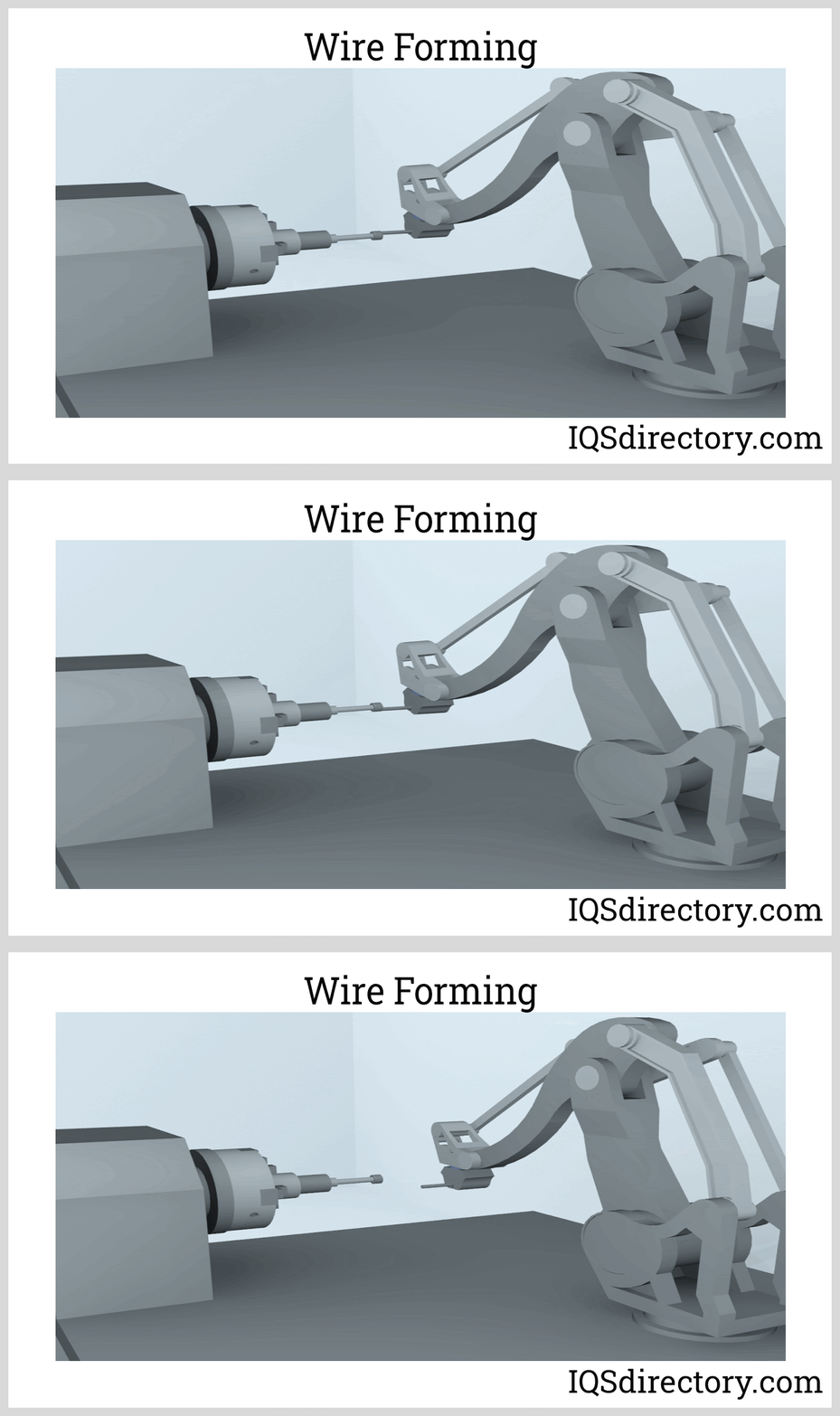
CNC wire forming, also known as wire bending, is an advanced method for shaping metal into predetermined or unique shapes for product manufacturing. Machines create wire forms, which come in different sizes and shapes, by heat treatment, cutting, and bending. Utilizing standardized equipment, CNC wire-forming machines change the wire's shape, size, and dimension to produce intricate two-dimensional and three-dimensional items.
Wire shaping is essential in many industries, including the automotive, aircraft, building, military, commercial, and electrical sectors. Several materials produce wire shapes, including steel, stainless steel, copper, aluminium, and several alloys. With CNC wire forming, you may create custom designs, spend less time setting up, produce new or changed product parts more quickly, and pay less per piece, even for small to medium-sized production runs.
Working Principle of CNC Machine Tools
The computer in the CNC device encodes information recorded in a series of processing using digital and character encoding. Then it sends commands to the machine tool's spindle, feed, and other actuators through a programmable controller. The machine tool body then acts following these instructions when feedback devices are detected, and the work piece processing necessary for the tool's intended use is then determined. Finally, the information is entered into the wire-forming equipment once the materials, dimensions, and shapes have been decided upon. This implies that the machines, which can produce the identical spring or wire form up to thousands of times each hour, already have each bend and twist pre-programmed (allowing for a quick turnaround, at times, within a few days of order).
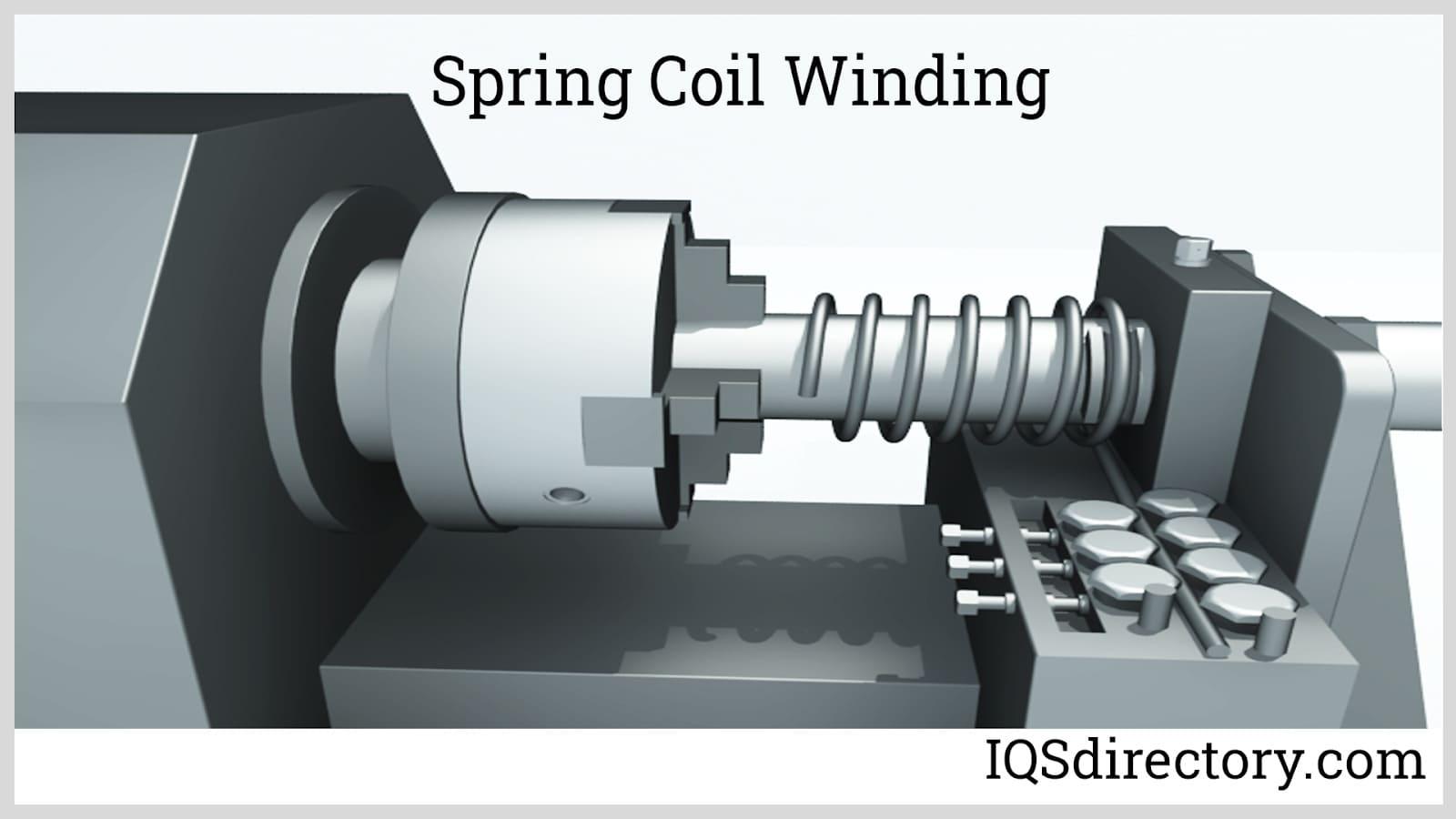
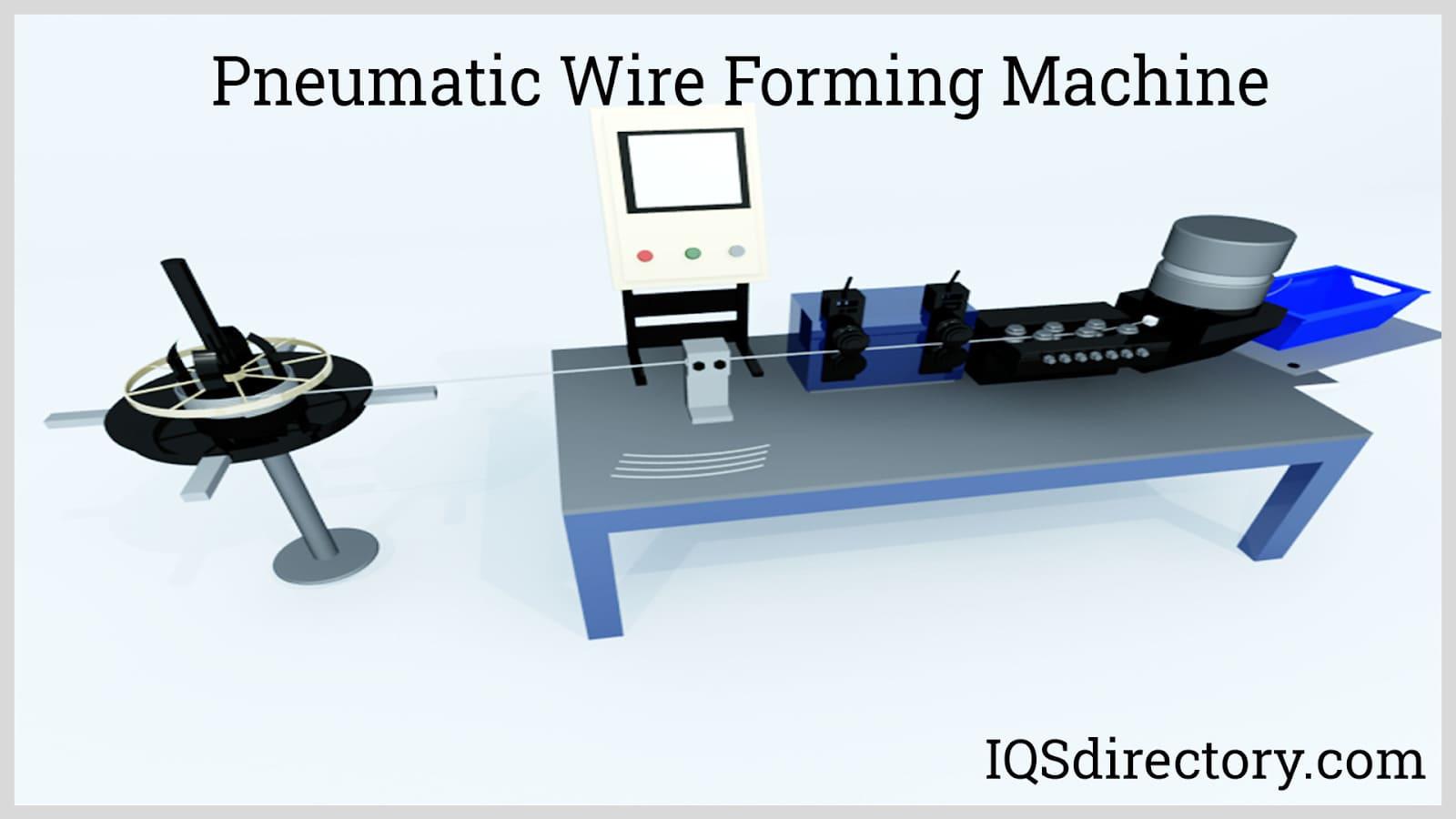
Before beginning the manipulation process, the wire is uncoiled from a spool and passed through a series of wheels intended to straighten it. The wire is then shaped using several dies and pins until the finished portion is achieved and snipped off with a blade.
Wire Forming Materials
Steel, stainless steel, aluminium, copper, nickel, and other alloys are among the metals used in wire making. Different qualities of these metals affect how the wire is formed.
For springs and high-strength items, wire shaping frequently uses carbon steel alloys. Carbon steel is cheap, durable, and conductible. More carbon is added to carbon steel, increasing its strength and hardness; high carbon steel wire is frequently referred to as music wire. Low-carbon steel is better suited for low-stress springs since higher-carbon steels are less flexible and more brittle. However, carbon steel is not appropriate for parts meant for a damp environment because it is also susceptible to corrosion. Carbon steel resists rusting better because stainless steel contains more susceptible metals like chromium.
Compared to steel, copper is stronger and more flexible. In addition, it is useful for electrical applications since it is a great conductor with high thermal conductivity.
Bronze resists corrosion and is a superior conductor. Therefore, it is frequently employed to create conductive springs.
Although it is not as strong as steel, aluminium is more pliable, light, and corrosion-resistant than steel.
Nickel has good corrosion resistance and maintains stability across a broad temperature range. In addition, when non-magnetic components are required, nickel is a good substitute for steel since the nickel alloys used in wire formation are both non-magnetic and poor electrical conductors.
Advantages of CNC Wire Forming
"Computer numerically controlled" (CNC) refers to automated machinery. Unmatched by any other wire-forming technique, CNC wire forming is a highly adaptable technology that allows for two- or three-dimensional bending. As a result, manufacturers can typically handle production changeovers from one run to another in under an hour. However, pre-programmed manufacture of parts and components with unique patterns, arrangements, and dimensions is where CNC wire forming shines. As a result, products can be produced more accurately and in greater volume, which results in less waste.
The ability of CNC wire-forming procedures to operate in tandem with conventional wire-forming equipment is another benefit. These devices can conduct automated tasks more successfully by adapting CNC programming. A wire-forming machine can fabricate wire parts and components constantly once it has been CNC coded. Depending on the tools and design complexity, it can even create full wire shapes. With other wire forming equipment, CNC compatibility boosts output and guarantees precision that manually driven devices cannot match.
Industrial Applications of Wire Forming
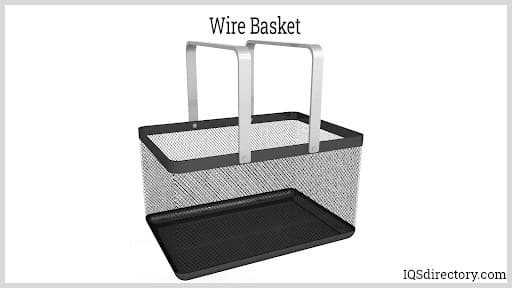
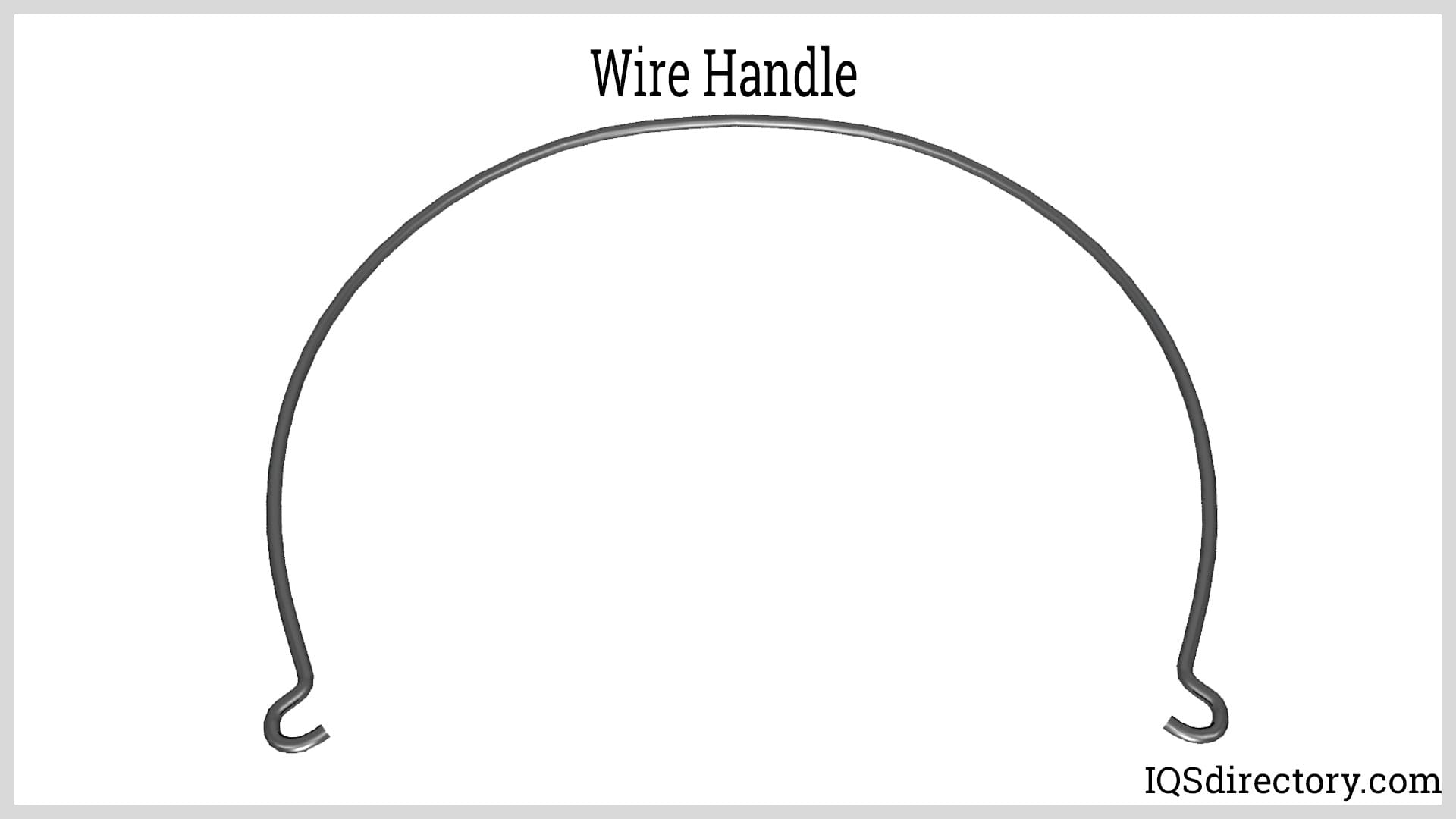
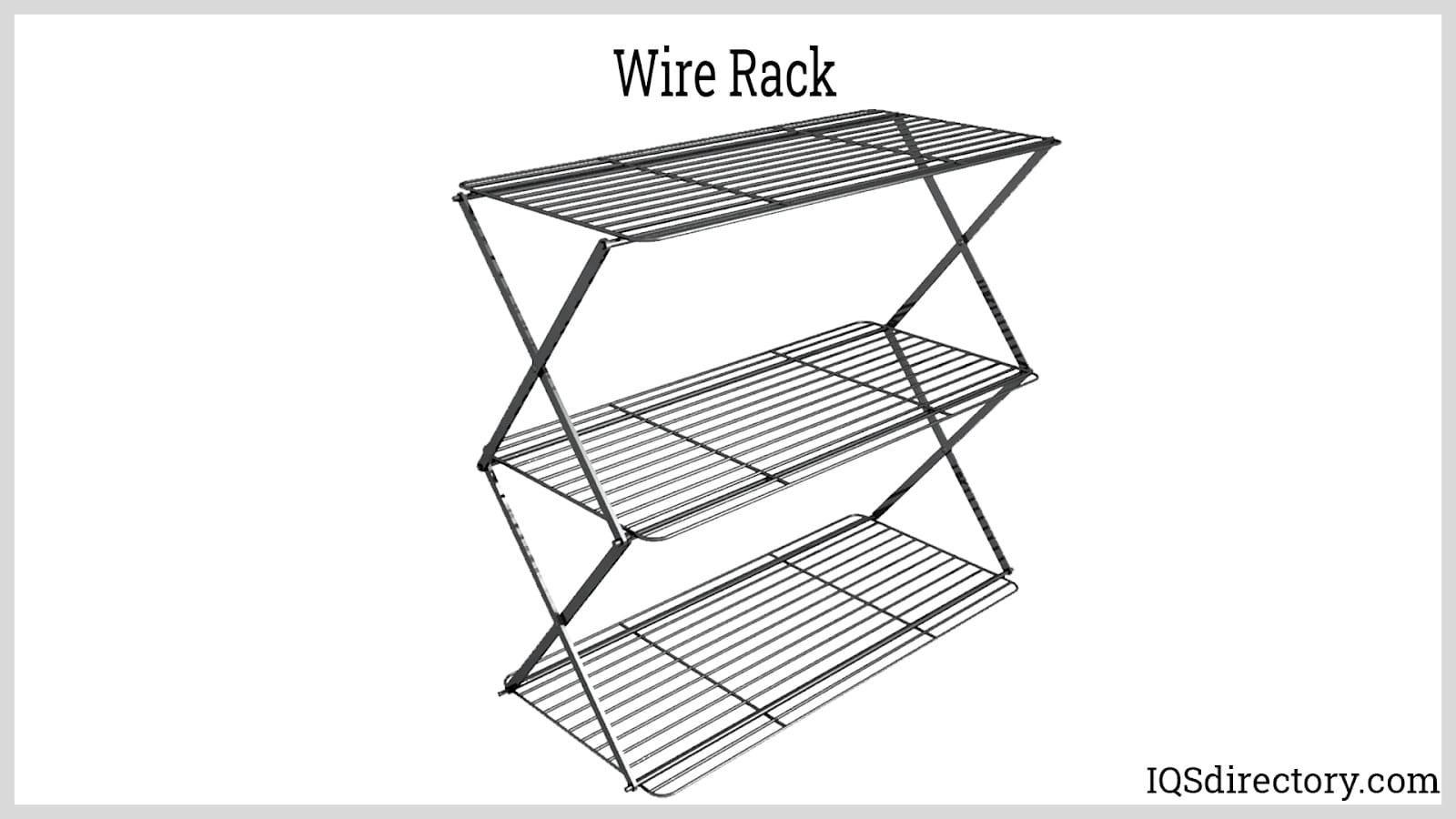
The manufacture of numerous components for countless applications depends on wire shaping. Various items are produced using CNC wire form manipulation, including motor mounts, wire baskets, applications for power transmission, pins, clips, springs, wire screens, grills, coils, guide wires, wire stents, tubes, carts, and filters.
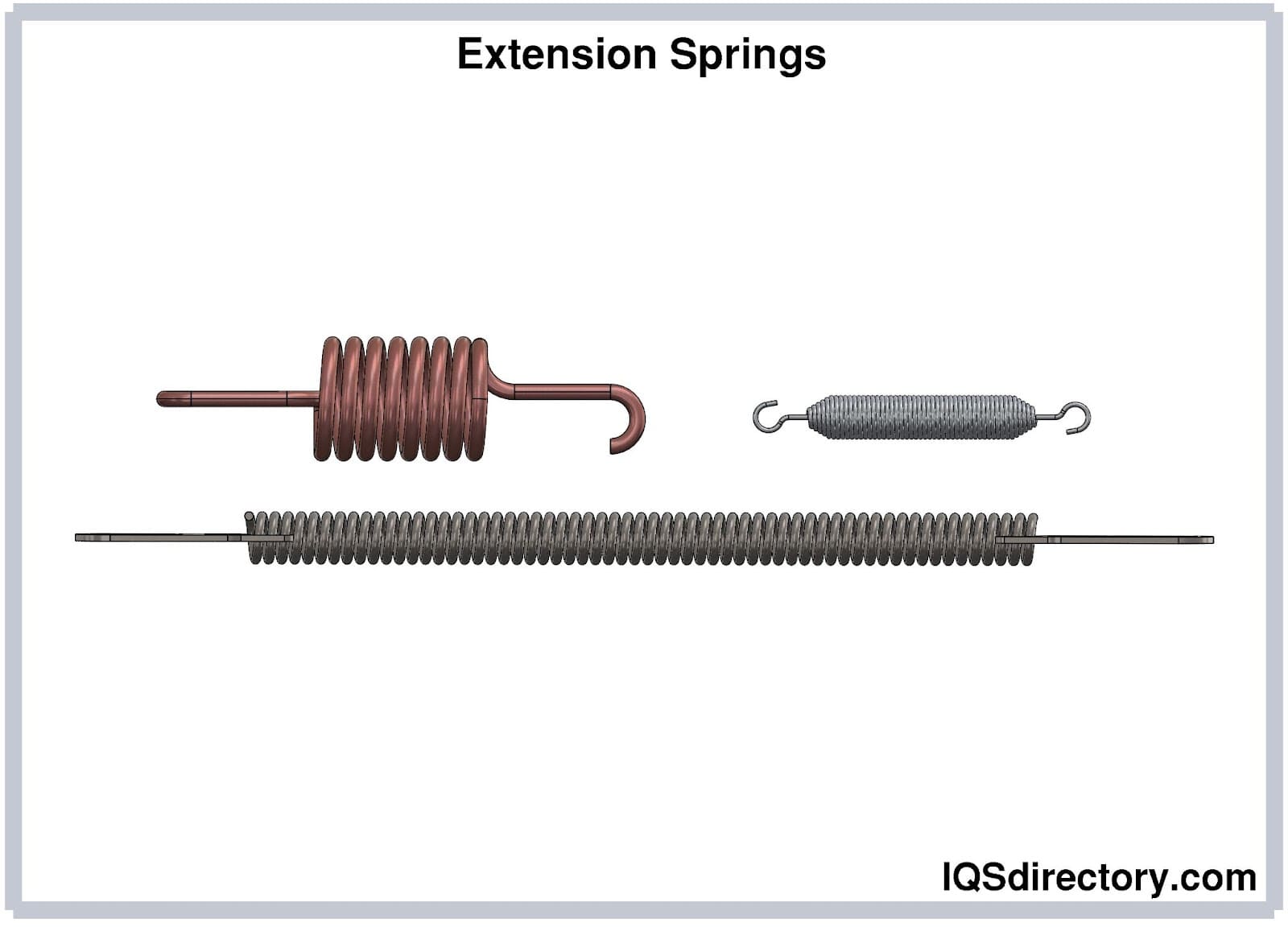
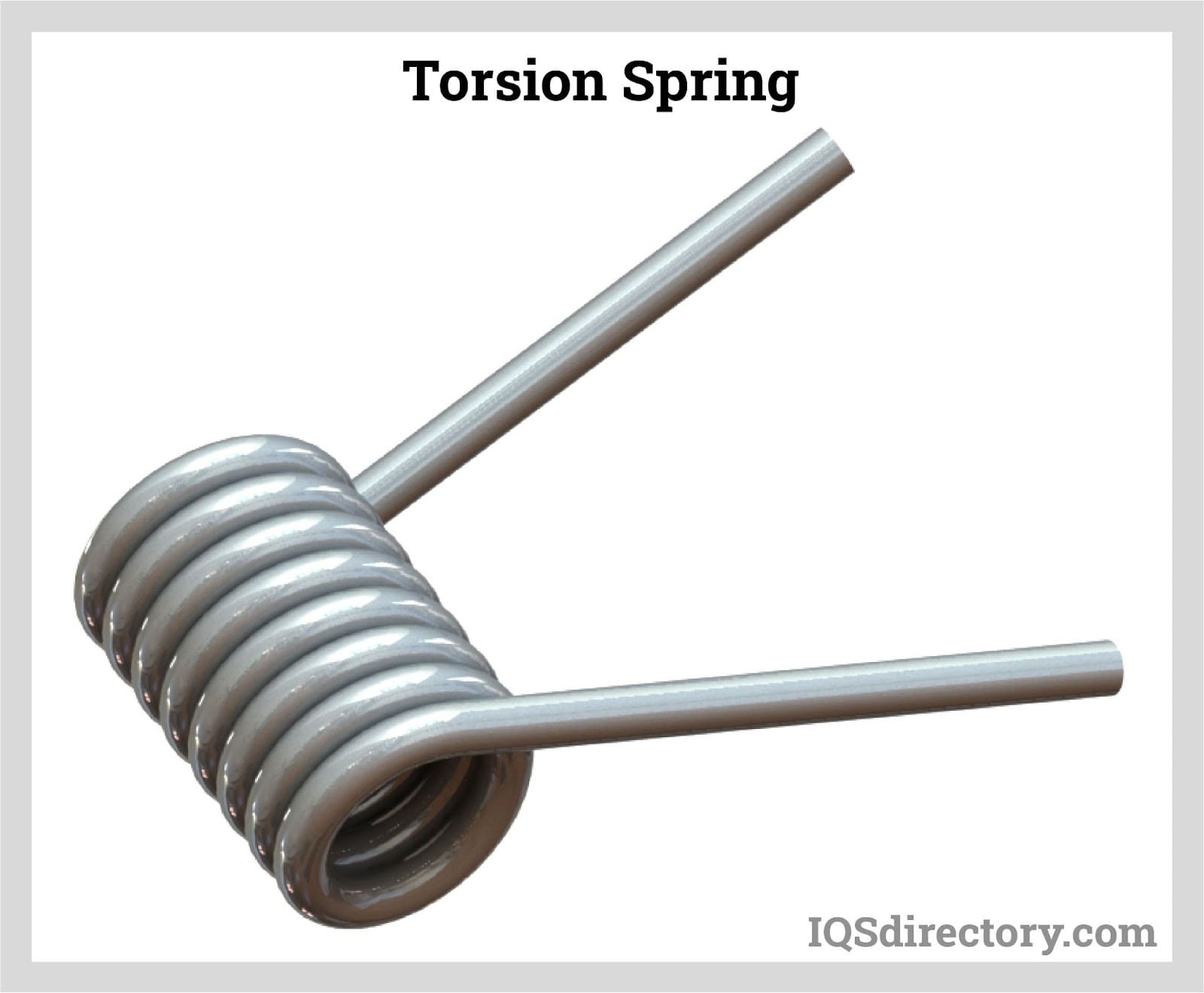
Compression coil springs and volute springs are used in suspension applications by industries including the automotive. Tension and torsion springs are manufactured for more delicate applications like valves, clutches, and gear changes. Metal baskets for washing machines and other common components are made in the healthcare industry using CNC wire-forming tools. Other medical supplies can be anything from a straightforward gauged tray to hand-held pliers. By using CNC wire shapes, electronic and electrical fittings are created. Wire forms make various household items, including clothing hangers, screen doors, and mouse traps. The industries that depend on CNC wire forming to manufacture and manufacture products essential to their operations include commercial and retail, construction and hardware, aerospace, energy, and agriculture.
Conclusion
Manufacturers can produce large quantities of goods more accurately thanks to CNC wire forming than conventional wire forming techniques. In addition, it enables producers to quickly fabricate pre-programmed two-dimensional and three-dimensional parts and components for products in different industries.
Choosing the Proper CNC Wire Forming Manufacturer
To make sure you have the most productive outcome when purchasing CNC wire-forming from a CNC wire-forming manufacturer, it is important to compare at least 4 manufacturers using our CNC wire-forming directory. Each CNC wire-forming manufacturer has a business profile page that highlights their areas of experience and capabilities and a contact form to directly communicate with the manufacturer for more information or request a quote. Review each CNC wire-forming business website using our patented website previewer to get an idea of what each company specializes in, and then use our simple RFQ form to contact multiple CNC wire-forming businesses with the same quote.
 Cold Headed Parts
 Expanded Metals
 Metal Spinning
 Powdered Metal Parts
 Roll Forming
 Springs
 Wire Forms
 Wire Mesh
 Castings & Forgings
 Bulk Material Handling
 Electrical & Electronic Components
 Flow Instrumentation
 Hardware
 Material Handling Equipment
 Metal Cutting Services
 Metal Forming Services
 Metal Suppliers
 Motion Control Products
 Plant & Facility Equipment
 Plant & Facility Supplies
 Plastic Molding Processes
 Pumps & Valves
 Recycling Equipment
 Rubber Products & Services